Welcome to Silicon Overdrive!

The Human Factor: How Can Employee Awareness Strengthen Cybersecurity?

Overview

Organizations invest heavily in firewalls, endpoint protection, and cloud security tools. Yet according to the Verizon 2024 Data Breach Investigations Report (DBIR), 68% of breaches involved a human element, including phishing, stolen credentials, errors, or social engineering.

The human factor in cybersecurity refers to the role employee behavior plays in either enabling or preventing security incidents.

While human behavior is frequently the entry point for cyberattacks, research shows it can also become the strongest line of defense when supported by structured awareness training and modern security tools.

Why Is Human Behavior Still the Biggest Cybersecurity Vulnerability?

Cybercriminals often target people instead of systems.

According to the Verizon 2024 DBIR:

  • Phishing remains one of the most common initial access vectors
  • Credential abuse is involved in a significant percentage of breaches

The IBM Cost of a Data Breach Report 2023 also found that:

  • The global average cost of a data breach reached $4.45 million, the highest on record
  • Phishing was among the most expensive and common attack vectors

Common human-targeted attack methods include:

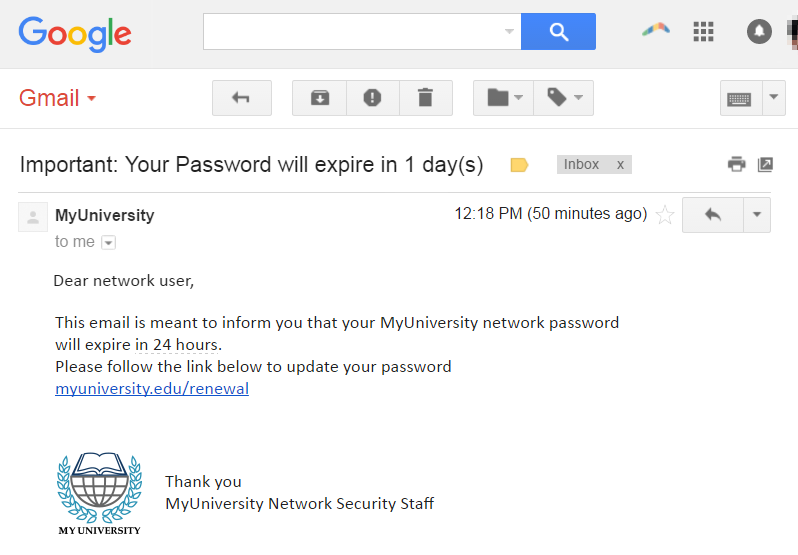
  • Phishing: Fraudulent emails or messages designed to trick users into clicking malicious links or revealing credentials.
  • Social Engineering: Impersonation tactics exploiting trust and authority.
  • MFA Fatigue Attacks: Repeated authentication push requests are sent until a user mistakenly approves access.

Even security-conscious employees can be manipulated when urgency and authority are involved.

How Do Cybercriminals Exploit Human Psychology?

Social engineering succeeds because it leverages predictable behavioral patterns. Widely documented psychological triggers (including research popularized by Dr. Robert Cialdini) include:

Authority Bias

Users are more likely to comply with requests appearing to come from executives or IT staff.

Urgency and Fear

Messages warning of account suspension or financial penalties prompt quick decisions.

Scarcity

Limited-time warnings reduce careful scrutiny.

Familiarity and Trust

Attackers mimic brands, vendors, or internal communications.

Reciprocity and Helpfulness

Employees naturally want to assist colleagues or leadership.

According to the Proofpoint 2023 State of the Phish Report, 84% of organizations experienced at least one successful phishing attack in 2022, demonstrating how effective these psychological tactics remain.

How Can Microsoft Tools Support Cybersecurity Awareness?

Technology cannot eliminate human risk, but it can significantly reduce exposure and reinforce safe behavior.

Microsoft Defender for Office 365

Microsoft’s documentation confirms it provides:

  • Anti-phishing protection
  • Safe Links and Safe Attachments
  • Threat intelligence and reporting dashboards
  • Attack simulation training capabilities

Microsoft reports that organizations using phishing simulations and awareness training see measurable reductions in risky behavior over time.

The Human Factor How Can Employee Awareness Strengthen Cybersecurity: phishing attack email example.
Credit: Imperva

What Does Research Say About Security Awareness Training?

Evidence supports the effectiveness of structured training programs:

  • The Ponemon Institute has consistently reported that organizations with mature security awareness programs experience fewer security incidents.
  • The SANS Security Awareness Report highlights that ongoing simulation-based training reduces click rates and improves reporting behavior.
  • According to the 2024 Verizon DBIR, organizations that implement layered defenses, including user awareness, reduce overall breach impact.

Key best practices recommended by SANS and Microsoft include:

Best Practice
  • Regular micro-training
  • Phishing simulations
  • Immediate feedback
  • Executive participation
  • Measurement and reporting
Why It Matters
  • Improves retention without overwhelming staff
  • Reinforces real-world recognition
  • Encourages behavioral correction
  • Sets cultural tone from leadership
  • Enables continuous improvement

What Are Five Simple Cybersecurity Habits Every Employee Should Practice?

Research-backed habits that reduce risk include:

1. Pause Before Clicking

Many phishing emails rely on impulsive action.

2. Verify Unusual Requests

The FBI’s Internet Crime Complaint Center (IC3) reports billions lost annually to Business Email Compromise (BEC) scams.

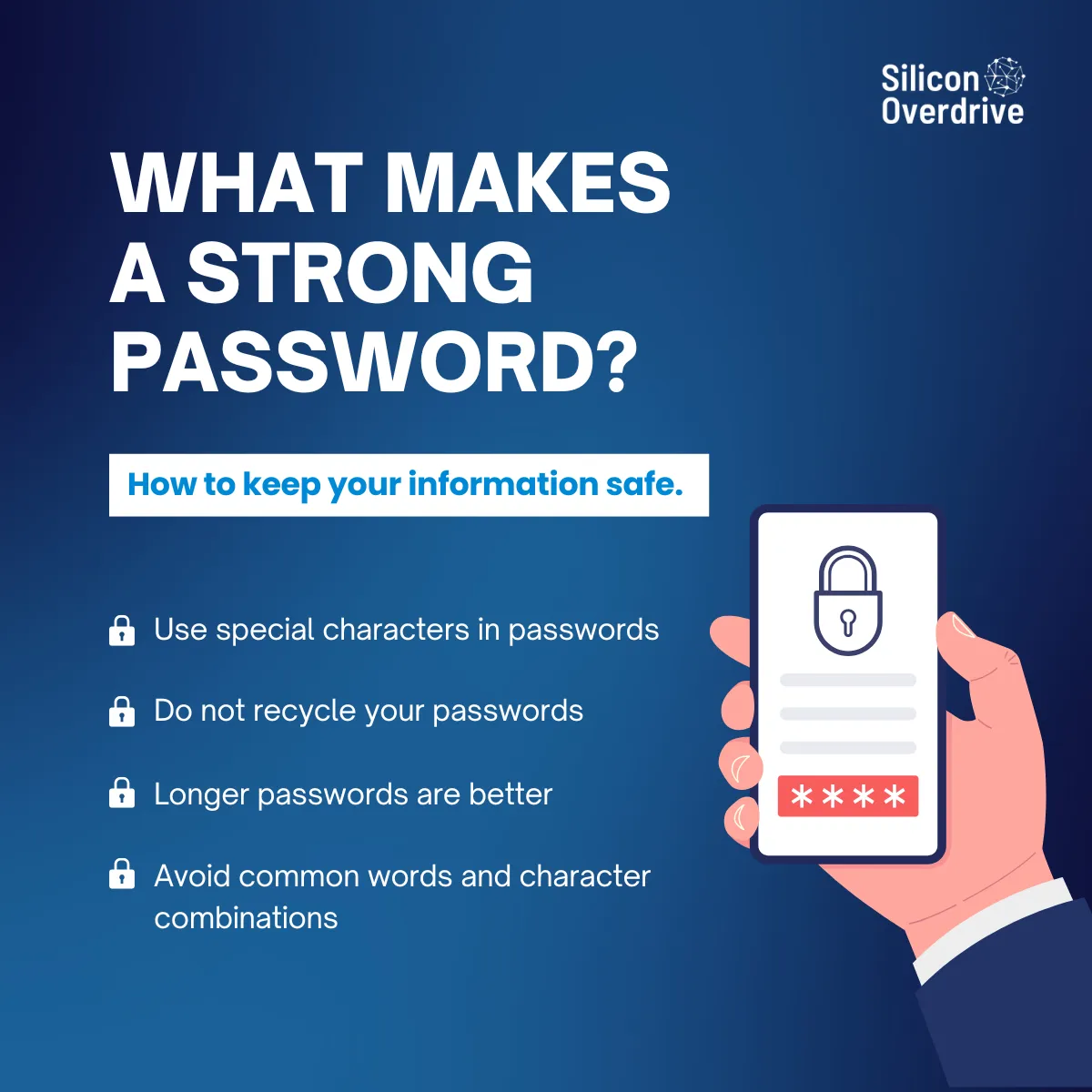
3. Use Strong, Unique Passwords

Credential reuse remains a major risk factor in breach investigations.

The Human Factor How Can Employee Awareness Strengthen Cybersecurity: What makes a good password

4. Be Cautious with MFA Prompts

Microsoft has publicly warned about MFA fatigue and push bombing attacks.

5. Report Suspicious Emails Immediately

Early reporting allows IT teams to block threats before lateral spread.

How Do You Report Suspicious Emails in Outlook?

Microsoft Outlook integrates with Defender for Office 365 to enable:

  • The “Report Message” add-in
  • Direct classification as “Phishing” or “Junk”
  • Automated submission to security teams

Microsoft notes that user-reported phishing improves detection algorithms and strengthens organizational security posture.

Turning the Human Factor into a Strength

Cybersecurity is no longer purely a technical challenge. The majority of breaches involve human interaction, as confirmed by Verizon’s DBIR.

The same human tendencies that attackers exploit, trust, curiosity, helpfulness, can become strengths when employees are educated, tested, and supported.

Organizations that combine:

  • Microsoft Defender protections
  • Phishing simulations
  • Ongoing awareness training
  • Clear reporting mechanisms

Create measurable resilience against modern threats.

At Silicon Overdrive, we help businesses implement Microsoft security solutions and structured awareness programs aligned with industry best practices.

Learn more about:

Your employees are not the weakest link. With the right strategy, they are your strongest defense.

FAQs

What is the human factor in cybersecurity?

It refers to how employee behavior influences security outcomes, either increasing risk or preventing attacks.

Why is phishing still effective despite email filtering?

Because it targets psychology, not just technical vulnerabilities. Even advanced filters cannot prevent every socially engineered attack.

How much do data breaches cost organizations?

According to IBM’s 2023 report, the global average cost is $4.45 million per breach.

Does security awareness training really work?

Yes. Research from SANS, Ponemon Institute, and Verizon indicates organizations with mature awareness programs experience reduced susceptibility and improved reporting rates.

Is MFA enough to stop attacks?

No. While MFA significantly reduces risk, attackers now use techniques such as MFA fatigue. User vigilance remains essential.

about the author

Miley Coetzee
Digital Marketing & Lead Generation Specialist

Miley brings a sharp strategic lens to digital marketing, offering insight-driven perspectives that help brands navigate and outperform in competitive digital landscapes.

Security insights validated by Emil Munro, Senior Engineer, Team Lead, and Microsoft Specialist at Silicon Overdrive.

If you liked this, you'll love these...

We use cookies to track visitors, measure ads, ad campaign effectiveness and analyze site traffic. We may also share information about your use of our site with 3rd parties. For more info, see, our Cookies Policy, our Privacy Notice. By clicking “Accept All” you agree to the storing of all cookies on your device. In case you don’t choose one of these options and use our website, we will treat it as if you have accepted all cookies.

We use cookies to track visitors, measure ads, ad campaign effectiveness and analyze site traffic. We may also share information about your use of our site with 3rd parties. For more info, see, our Cookies Policy, our Privacy Notice. By clicking “Accept All” you agree to the storing of all cookies on your device. In case you don’t choose one of these options and use our website, we will treat it as if you have accepted all cookies.