Welcome to Silicon Overdrive!

Embracing Agility, Inclusion, and Wellness: The Evolution of Workplace Culture

Overview

In recent years, the way we work has undergone a remarkable transformation. Traditional hierarchical structures and rigid work environments have given way to more agile, inclusive, and wellness-focused workplaces. Employers have recognized that fostering a positive workplace culture benefits employees’ well-being and is crucial for productivity, creativity, and overall business success. In this blog post, we will explore how organizations are embracing agility, inclusivity, and wellness to create thriving work environments.

Agile Work Environments

Agility has become a buzzword in the business world and for good reason. Agile work environments empower employees to adapt, innovate, and respond swiftly to changing market dynamics.

Key elements of agile workplaces include:

Flexibility

Flexible work arrangements, such as remote work options, compressed workweeks, and flexible hours, enable employees to balance their personal and professional lives better. This flexibility promotes increased job satisfaction and work-life integration.

Collaboration and Cross-Functional Teams

Agile organizations emphasize collaboration and break down silos by forming cross-functional teams. By bringing together diverse perspectives and skill sets, these teams foster creativity, problem-solving, and effective decision-making.

Iterative Processes

Agile methodologies, such as Scrum and Kanban, encourage iterative and incremental approaches to work. This enables teams to deliver value in smaller, manageable increments while continuously improving and adapting based on feedback.

Inclusive Work Environments

Creating an inclusive workplace culture means valuing and leveraging the diverse backgrounds, experiences, and perspectives of employees. Inclusion is not just about diversity in terms of race, gender, or ethnicity but also about creating an environment where everyone feels respected, heard, and empowered. Key practices to foster inclusivity include:

Diversity and Inclusion Initiatives

Organizations are implementing proactive diversity and inclusion initiatives, such as diverse hiring practices, unconscious bias training, and employee resource groups. These initiatives aim to create a culture where all employees feel valued and have equal opportunities for growth and advancement.

Open Communication and Psychological Safety

Encouraging open and honest communication, where all opinions are respected and valued, is essential for building psychological safety. When employees feel psychologically safe, they are more likely to contribute their ideas, take risks, and collaborate effectively.

Inclusive Leadership

Leaders play a critical role in fostering an inclusive culture. Inclusive leaders actively seek diverse perspectives, promote inclusive behaviours, and provide equal opportunities for growth. They lead by example and hold themselves accountable for creating an inclusive work environment.

Smiling Multiethnic Students Working-in Team on Laptop

Focus on Wellness

Organizations are recognizing that employee well-being is the cornerstone of a productive and engaged workforce. Prioritizing wellness goes beyond physical health and encompasses mental, emotional, and social well-being.

Here are some ways companies are focusing on wellness:

Mental Health Support

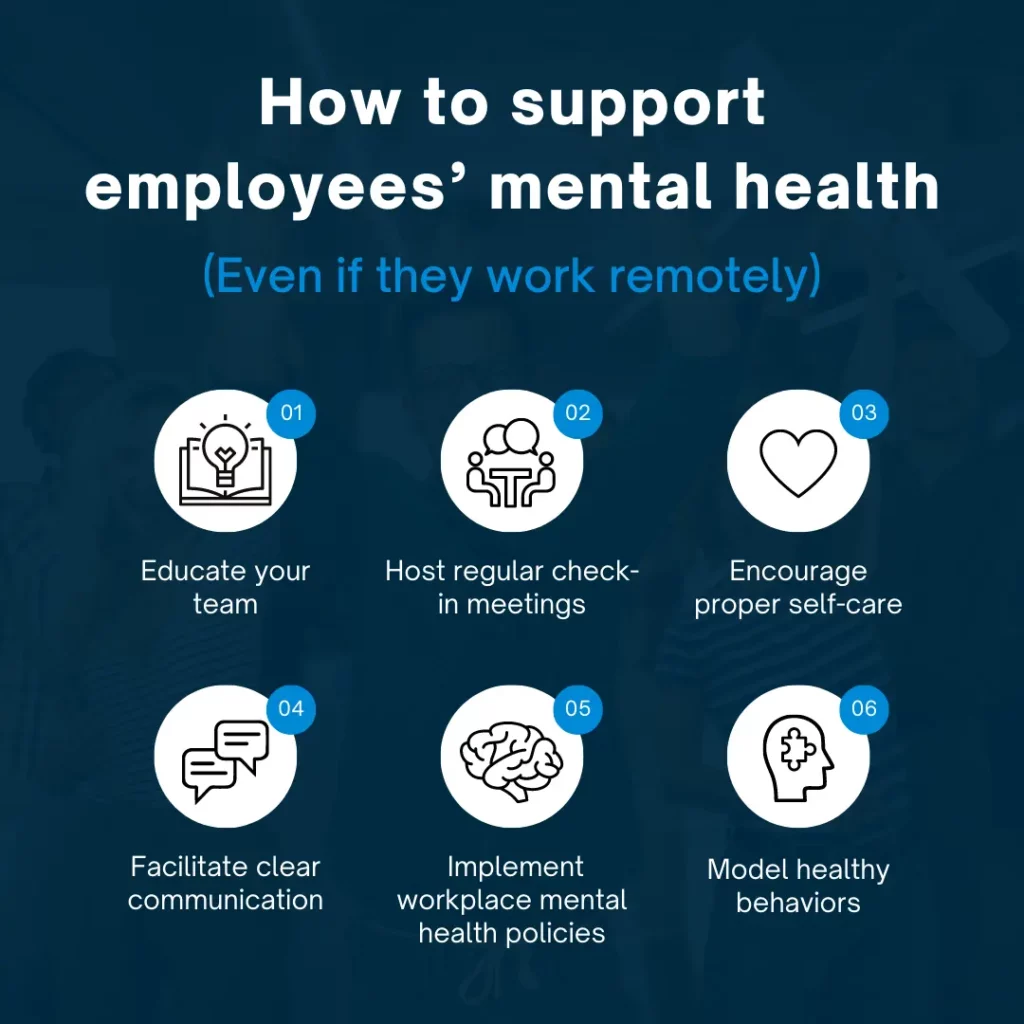
Employers are providing access to mental health resources, counselling services, and employee assistance programs. They are also actively promoting mental health awareness and reducing the stigma associated with seeking help.

Work-Life Balance

Encouraging work-life balance through flexible schedules, paid time off, and clear boundaries helps employees maintain a healthy equilibrium between their professional and personal lives.

Even if employees are working from home, ensuring they log off after work is crucial for maintaining a healthy work-life balance. With the blurring of boundaries between work and personal life in remote setups, it becomes even more important to establish clear cut-off points. Encouraging employees to disconnect from work-related tasks and responsibilities at the end of the workday helps prevent burnout and allows for quality personal time.

By establishing this practice, organizations demonstrate their commitment to employee well-being and create a supportive environment that values the importance of rest, rejuvenation, and maintaining a healthy equilibrium between work and personal life.

Wellness Programs

Companies are introducing wellness programs that promote healthy lifestyles, such as fitness challenges, mindfulness workshops, yoga classes, and healthy food options. These programs not only benefit employees’ physical well-being but also foster a sense of community and camaraderie.

As workplaces evolve, organizations are embracing agility, inclusivity, and wellness to create environments that foster employee growth, engagement, and overall well-being.

By adopting agile work practices, nurturing inclusive cultures, and prioritizing wellness initiatives, companies can unlock the full potential of their workforce. Not only do these initiatives benefit employees, but they also contribute to improved productivity, creativity, and organizational success.

Creating an agile work environment involves embracing flexibility, collaboration, and iterative processes. By allowing employees to have more control over their work arrangements and encouraging cross-functional collaboration, organizations can adapt quickly to changing market dynamics and foster innovation.

Inclusivity is a fundamental aspect of a thriving workplace culture. Organizations must actively promote diversity, create opportunities for underrepresented groups, and foster open communication and psychological safety. When employees feel valued, respected, and empowered, they are more likely to contribute their unique perspectives, leading to better decision-making and problem-solving.

The Evolution of Workplace Culture

Wellness initiatives are no longer viewed as optional perks but as essential components of a healthy workplace. Prioritizing employee well-being through mental health support, work-life balance, and wellness programs can reduce stress, improve job satisfaction, and promote overall employee happiness and engagement.

The shift towards agile, inclusive, and wellness-focused workplaces reflects a growing recognition that employees are the heart of every organization. By creating environments that prioritize this, organizations can unleash the full potential of their workforce, drive innovation, and achieve long-term success.

As we move forward, let us continue to embrace these principles and build workplaces that foster agility, inclusivity, and a culture of wellness.

Need Help Handling Your IT?

We provide comprehensive IT Managed Services, support and solutions with extensive expertise in both remote and traditional on-premise IT support, deployments, cloud solutions, security and compliance.

Contact us to get started.

If you liked this, you'll love these...

We use cookies to track visitors, measure ads, ad campaign effectiveness and analyze site traffic. We may also share information about your use of our site with 3rd parties. For more info, see, our Cookies Policy, our Privacy Notice. By clicking “Accept All” you agree to the storing of all cookies on your device. In case you don’t choose one of these options and use our website, we will treat it as if you have accepted all cookies.

We use cookies to track visitors, measure ads, ad campaign effectiveness and analyze site traffic. We may also share information about your use of our site with 3rd parties. For more info, see, our Cookies Policy, our Privacy Notice. By clicking “Accept All” you agree to the storing of all cookies on your device. In case you don’t choose one of these options and use our website, we will treat it as if you have accepted all cookies.